Mastering the Law: Slavery and Freedom in the Legal Ecology of the Spanish Empire (Review)
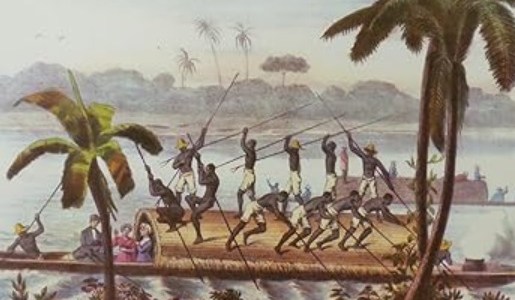
In 1629, Catalina Angola and Domingo Angola, two African-born captives enslaved near what is today the northern Colombian city of Cartagena, learned that Catalina’s enslaver was moving her to the city. Fearing their separation, the couple petitioned their parish priest for marriage, hoping the Catholic Church’s respect for the sacrament of matrimony would help them resist the move. Catlina’s enslaver, however, quickly uncovered the stratagem and did everything he could to prevent their union. While unable to intervene legally, he beat Catalina violently and shipped her downriver to separate the two. By the end of the next year, however, it was the enslaver who found himself excommunicated, publicly shamed, and forced to pay hefty fees and fines for his actions. In a society generally viewed as hostile to enslaved Africans, why did Catalina and Domingo win, and what does this tell us about slavery as an institution in the early colonial period?… Read More Mastering the Law: Slavery and Freedom in the Legal Ecology of the Spanish Empire (Review)